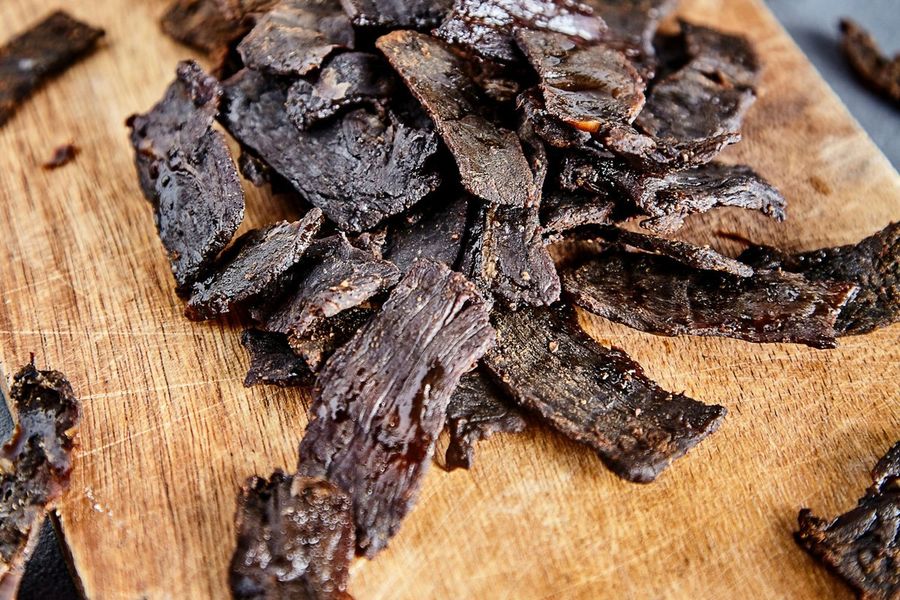
Wild game carries a higher risk of contamination than store-bought meat, so the field care matters as much as the drying.
In the field
NDSU Extension advises avoiding puncturing the intestines during butchering and cooling the meat to 40°F or below quickly.
Parasites
Wild game may carry Trichinella, which needs extra steps beyond normal jerky making. NDSU refers readers to its separate wild game publication; check your state extension service for guidance before making jerky from bear, wild boar or other high-risk game.
Making it
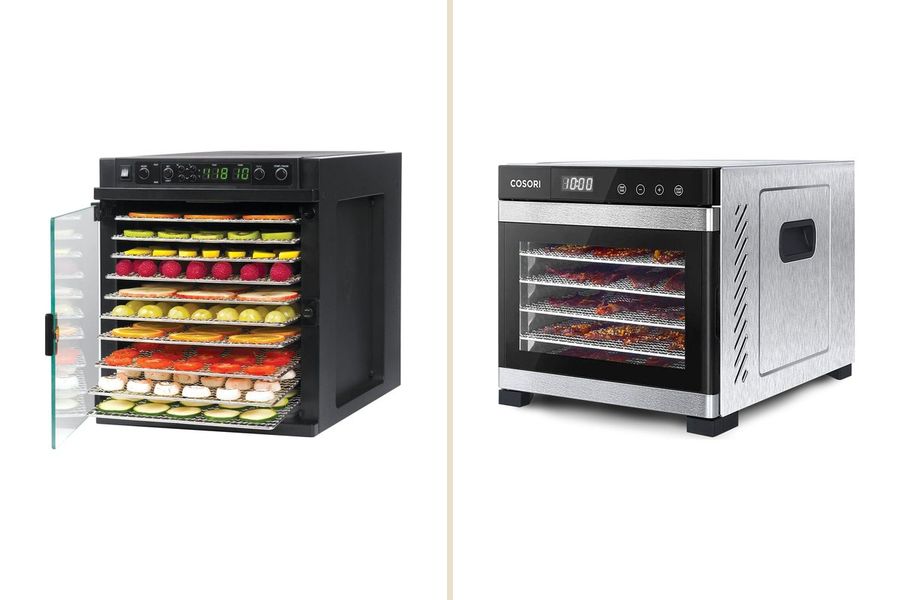
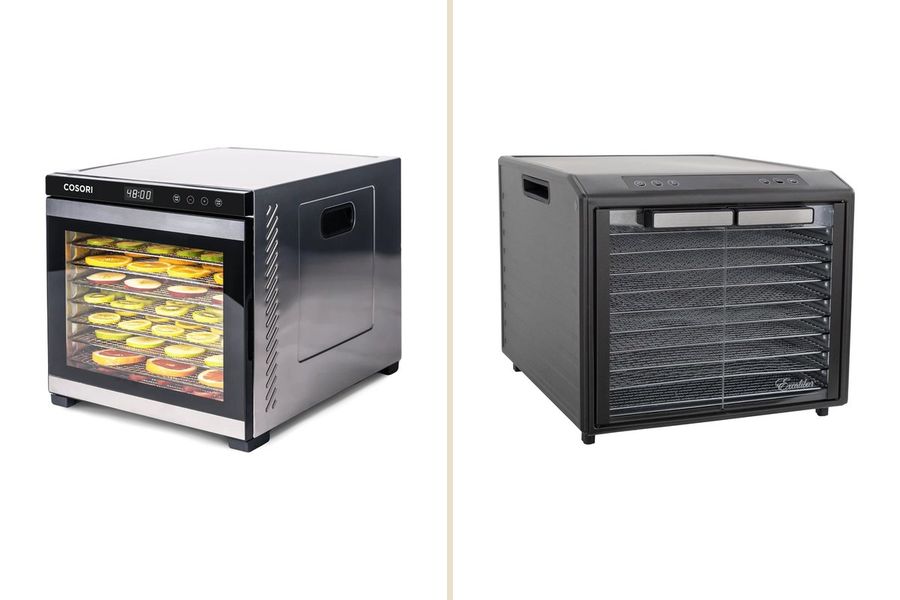
USDA advises heating meat to 160°F and poultry to 165°F before dehydrating, then drying in a dehydrator that holds 130 to 140°F or higher throughout.
Then follow our step-by-step jerky guide.
Storing it
Vacuum-sealed and frozen is best for a season's worth. See the best vacuum sealers for hunters.
Canning venison
Tough cuts that don't slice well for jerky can be pressure canned in chunks. See how to can venison on our sister site.