Dry goods are the easiest foods to vacuum seal and some of the few that can stay at room temperature once sealed. UConn Extension lists crackers, rice, dried fruit, nuts and jerky as fine to store in vacuum bags at room temperature.
What works well
- Coffee beans: seal in portions you'll use within a week or two of opening.
- Nuts and seeds: their oils go rancid with air; sealing slows it. Freeze them for the longest life.
- Rice, oats and grains: seal in meal-sized bags or jars.
- Dried fruit and jerky: seal and keep in a cool, dark cupboard.
Flour and powders
Fine powders get pulled toward the pump and can clog the seal area. Put the flour in a paper bag or coffee filter first, or leave extra headspace, or use a jar instead of a bag. FoodSaver says vacuum-sealed flour keeps one to two years versus about six months normally; that's the maker's claim, not government guidance.
Jars or bags?
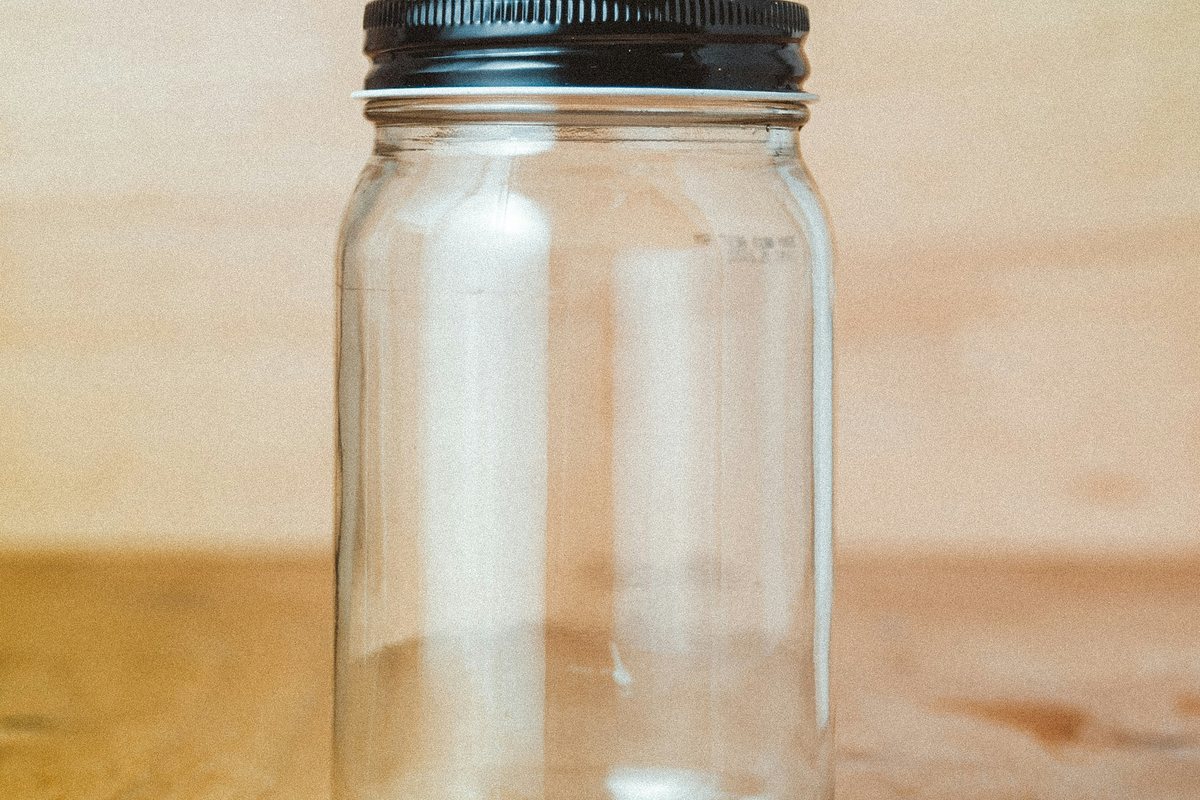
Jars suit things you open often, like coffee and nuts, because you can re-vacuum them each time. Bags suit long storage and the freezer. See how to vacuum seal mason jars.
Crushable foods
For crackers and chips, use pulse or gentle mode, or seal without vacuum. See how to vacuum seal bread, chips and crackers.